The Diadora Corsa is a versatile everyday trainer with a springy vibe that’s worth a look
Give the Diadora Corsa a try if you're looking for a high-value, high-performing daily trainer.

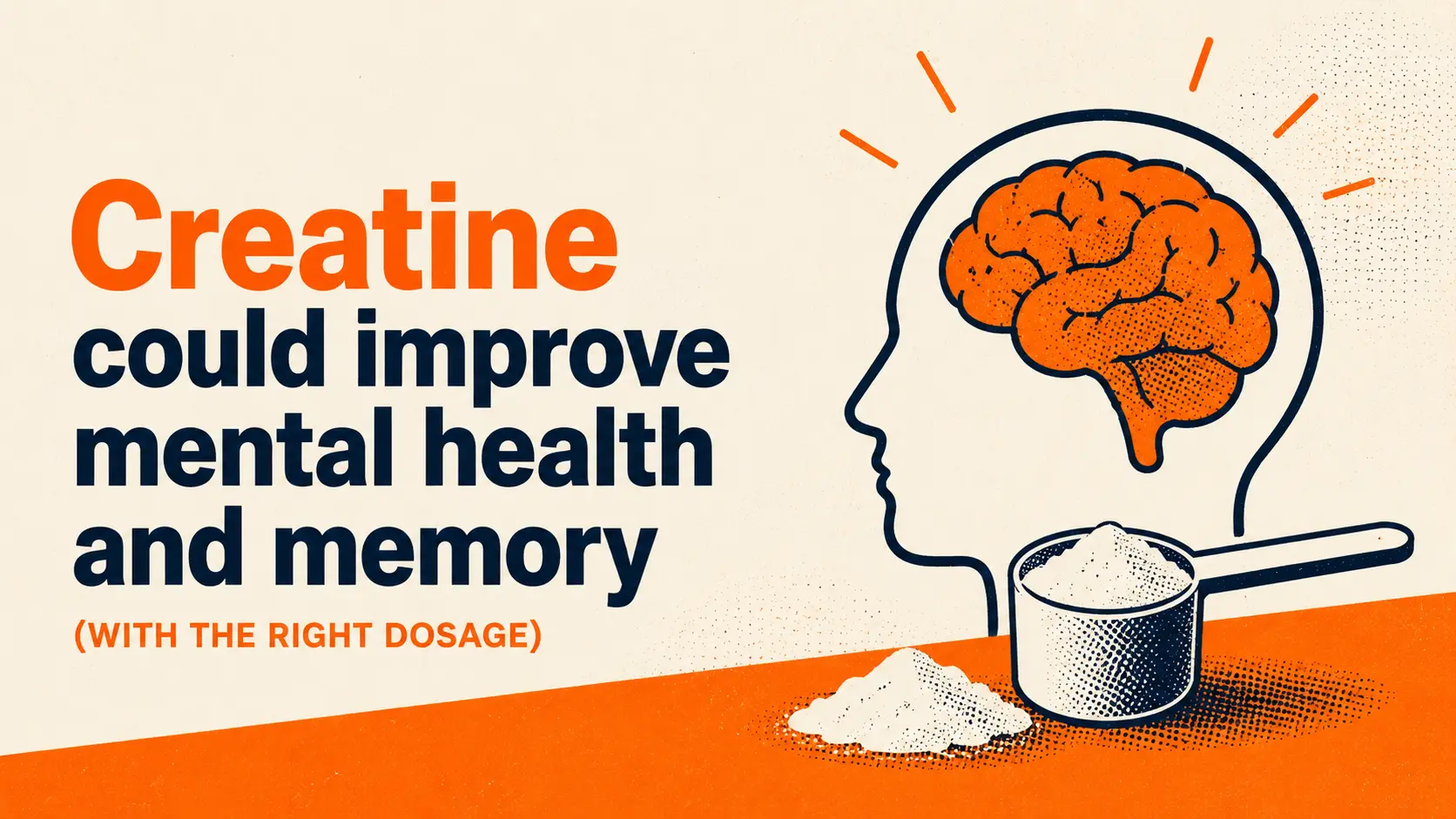
Creatine often gets typecast as a gym bro’s best friend, but it turns out this supplement might have brains to match its brawn. Its resistance training use cases are well-established, but emerging research suggests creatine could offer some intriguing mental advantages and recovery perks for endurance athletes. According to “Creatine for Brain Health: Boost Memory, Energy and Clarity” from Inside Hook, creatine may enhance short-term memory, intelligence, and reasoning. The piece also notes other data demonstrating potential neuroprotective effects and benefits for treating depression and anxiety, citing one small study where combining creatine with antidepressants reportedly improved mood in women within four weeks. While these potential cognitive boosts are fascinating, let’s remember the core mechanism behind creatine’s power. As we’ve touched on before in a previous SMM issue (“Second Opinion – Can Creatine Actually Improve Heart Health?), creatine’s primary function is increasing ATP production, which is our body’s source of rapid energy. So, we know it fuels quick energy and might sharpen the mind, but what does this mean for those of us logging miles instead of reps? For runners and cyclists, Training Peaks explains “The Pros and Cons of Creatine Monohydrate for Endurance Athletes.” Analysis suggests that perhaps the most promising benefit is accelerated recovery. However, you’ll need to balance this against potential downsides, such as possible weight gain – mainly from increased water retention in muscles – and the risk of GI issues for some individuals. So, while creatine offers intriguing possibilities beyond the weight room, endurance athletes should consider whether the recovery and cognitive edges outweigh the potential trade-offs.
#CreaTeam