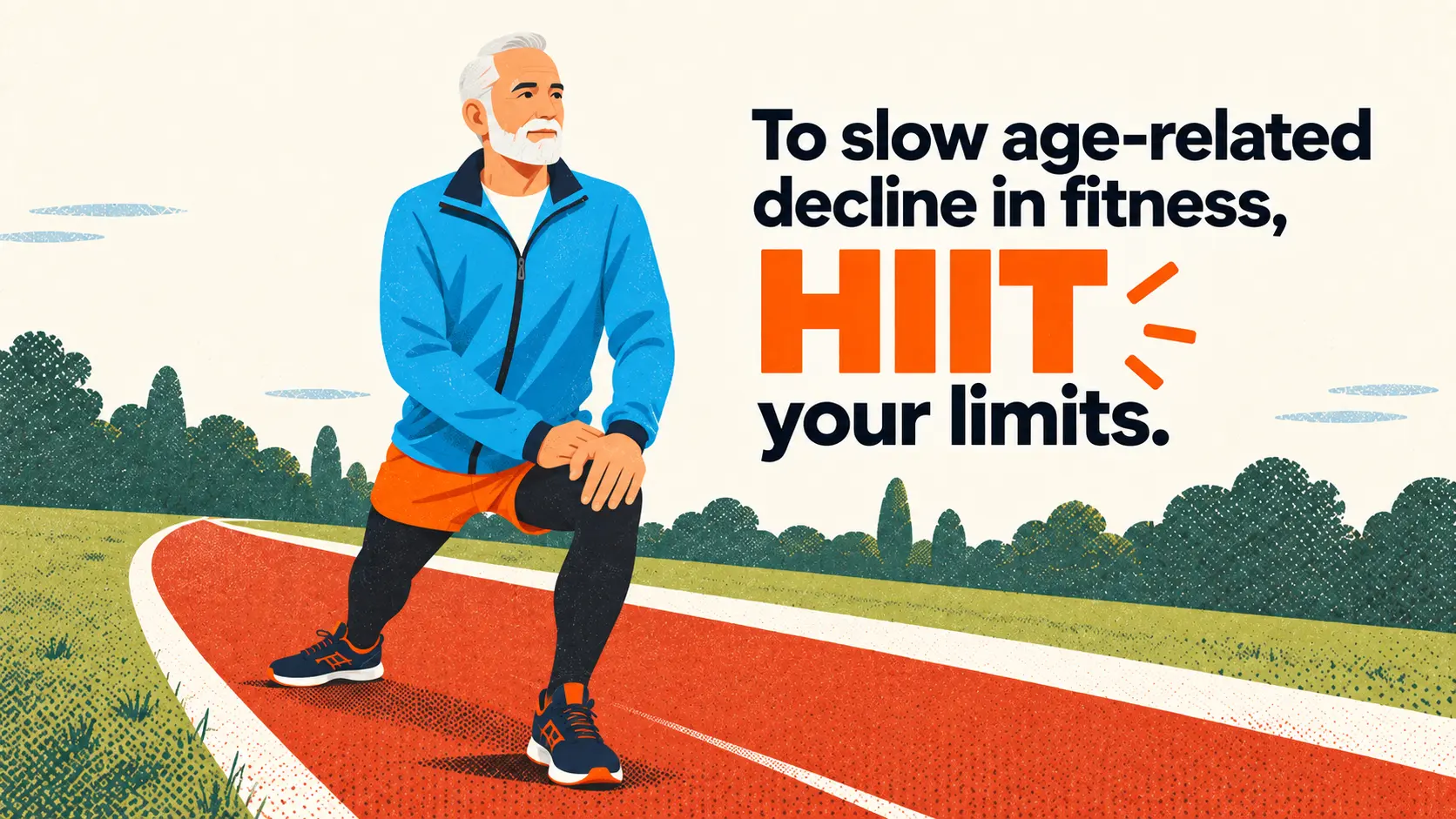
Nobody can outrun Father Time, but recent research indicates he does have trouble catching you at higher intensities. We recently covered how sprint workouts can pack substantial cardiovascular and metabolic benefits into a short session. This new story from Outside extends that idea into your 70s: “Why Intensity Matters for Preserving VO2 Max as You Age.” Researchers reanalyzed five years of data from about 500 adults ages 70 to 77, grouping them by the exercise intensity they reported. The high-intensity group held onto considerably more VO2 max as they aged. After five years, men doing high-intensity exercise were 3.1% below baseline, compared with a 7.7% decline in the moderate group. Women in the high-intensity group returned to baseline after five years, compared with a 4.6% decline among moderate exercisers. High intensity efforts include sprints and HIIT intervals, but it could really mean anything 15 or higher on the 6-to-20 Borg scale of perceived exertion. Intense exercise is where the magic happens, but that’s not to say low-intensity exercise is useless. The article’s author notes that polarized training – where you do an 80:20 ratio of low to high intensity sessions – is popular among pros for a reason. “Zone 2 Training: Benefits, Heart Rate, and Performance” notes that low-to-moderate aerobic work helps build mitochondrial capacity, accumulate training volume, and reduce fatigue, giving you a stronger base for demanding sessions. 80/20 training can give the best of both worlds: keep most training controlled so you have enough in reserve to make the hard days genuinely hard. For aging athletes, preserving fitness may require occasionally stepping on the gas.
#VO2BeYoungAgain