The Rabbit EZ Chaser is a Soft, Easygoing Shoe for Easy Miles
The Rabbit EZ Chaser is proof an apparel company can make top-tier running shoes.

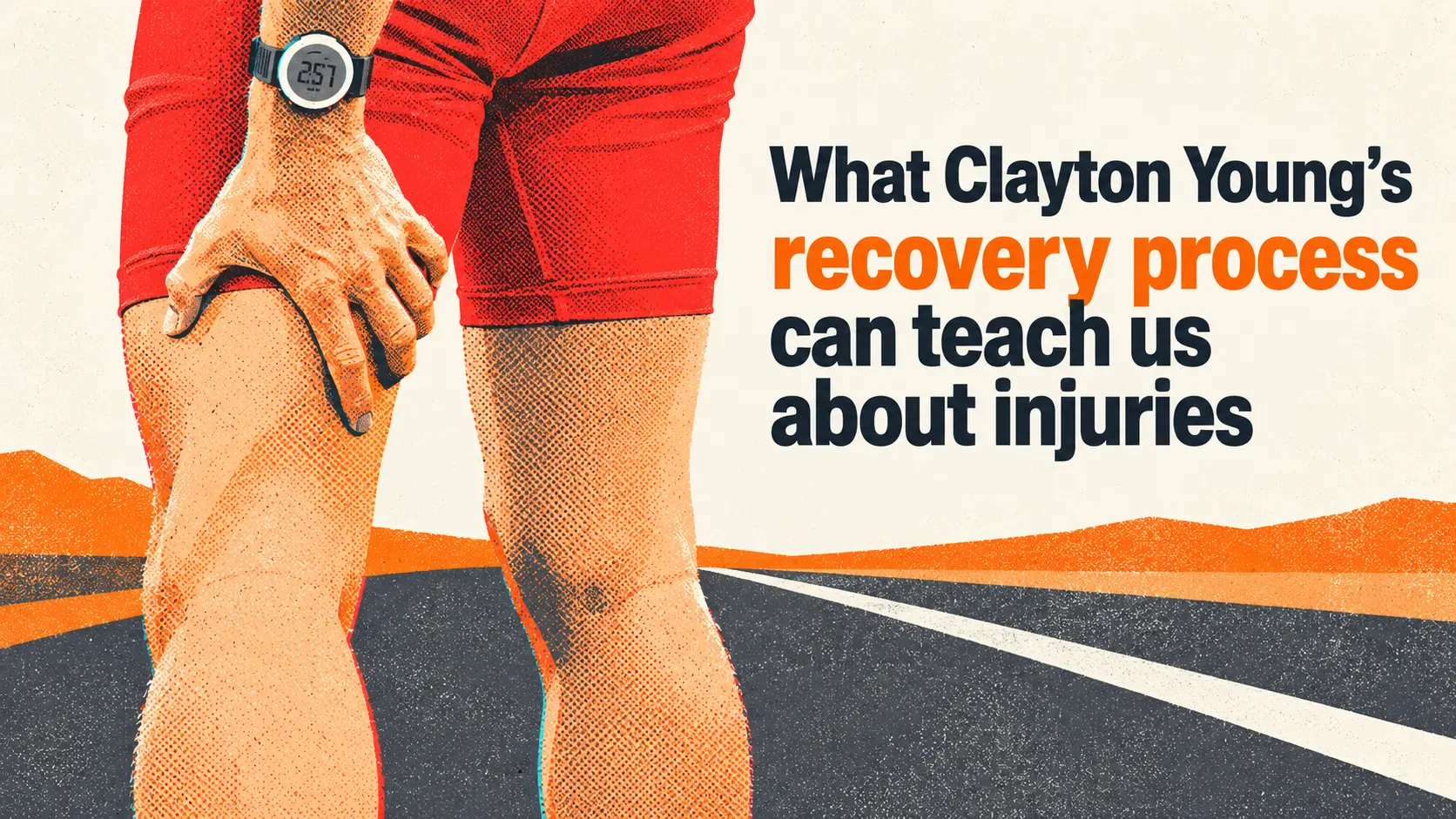
There are easier ways to chase an American record than doing it with a torn hamstring tendon. Of course, Clayton Young has never been one to shy away from a challenge, and according to this new story, he’s facing a really big one: “Clayton Young Will Race the Chicago Marathon With a Torn Hamstring Tendon.” We certainly can’t recommend any of our readers attempt the same, but the report includes some useful takeaways we can apply to our own injury recovery process. Young has stopped stretching the injured hamstring and is using isometric exercises instead. A clinical review cited in the story recommends isometrics as a way to load an irritated tendon and potentially reduce pain without putting it under as much compression. He’s also taking collagen alongside the program, though the jury is still out on how effective that may be. For more info on collagen’s potential benefits, you can read “The Science Behind Collagen Powder: Does it Work?.” Ideally, we’d all catch potential injuries before they develop into something serious, which makes us ask: “Can your running data predict an injury before it happens?” The article covers a study which followed 643 marathoners for 16 weeks and found that training data plus weekly surveys still couldn’t reliably predict which otherwise healthy runners would get injured the following week. Models performed better once runners had already reported symptoms, so watches still have a long way to go as injury-warning systems. For now, paying attention to nagging pain, unusual fatigue, or a run that simply feels off may tell you more.
#HamstringTheory