The Refined Saucony Endorphin Speed 6 Blends a Bouncy Vibe with Comfort and Versatility
The Saucony Endorphin Speed 6 is a semi-firm, bouncy and versatile daily training shoe.

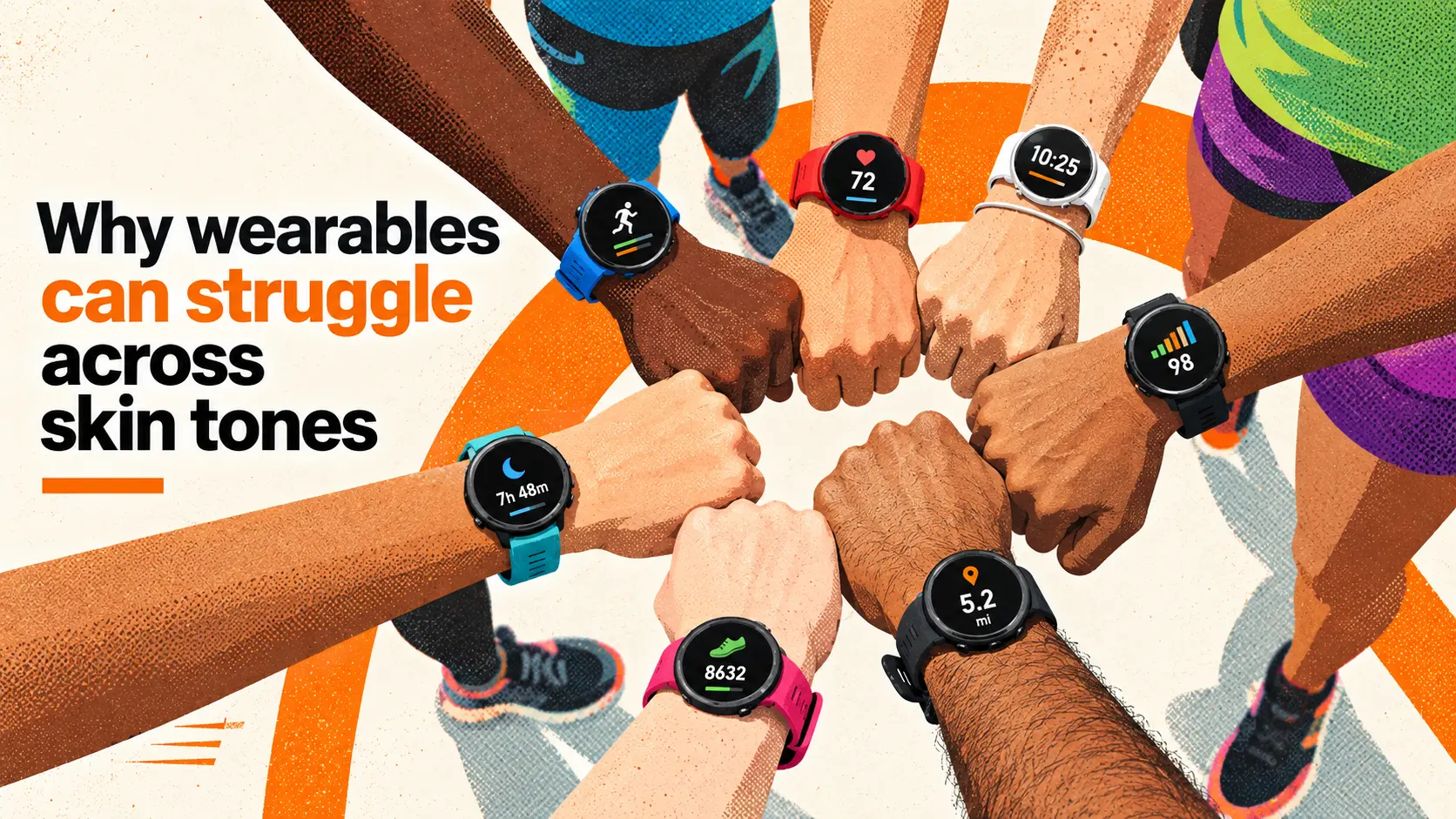
Wearables have gotten remarkably good at reading our bodies, but one stubborn engineering challenge remains, according to this new piece from Outside: “How Skin Tone Affects Wearable Accuracy—and How Tech Giants Are Responding.” The story explains that most watches and rings use light-based PPG sensors to measure blood flow. Melanin can absorb and scatter some of that light, making signal loss more likely in darker skin. A 2025 review found substantial variation between devices, including some that underestimated heart rate by 10 to 15 beats per minute in darker-skinned users during moderate to vigorous exercise. Companies are working on fixes through stronger LEDs, improved algorithms, and more representative testing. Oura’s VP of science also noted that the palm side of the finger tends to have more consistent pigmentation than the wrist and provides access to larger arteries, which can produce a stronger signal. If a wrist tracker has struggled to get a clean reading for you, a smart ring could be worth considering. Or you can sidestep optical tracking entirely. Our “Suunto Core 2 Review: the Simple Sportswatch gets a Sequel” covers an old-school ABC watch built around an altimeter, barometer, and compass instead of health metrics. With 15 months of battery life, 100-meter water resistance, and a brighter display with red and green backlights, it’s especially well suited for long hikes and backcountry trips where basic, dependable information may be all you need.
#TrueToTheCore