Altra’s Speedy Vanish Carbon 3 Goes Mainstream with a Split Carbon Plate
With the Vanish Carbon 3, Altra offers a fresh twist on carbon-plated racing shoes.

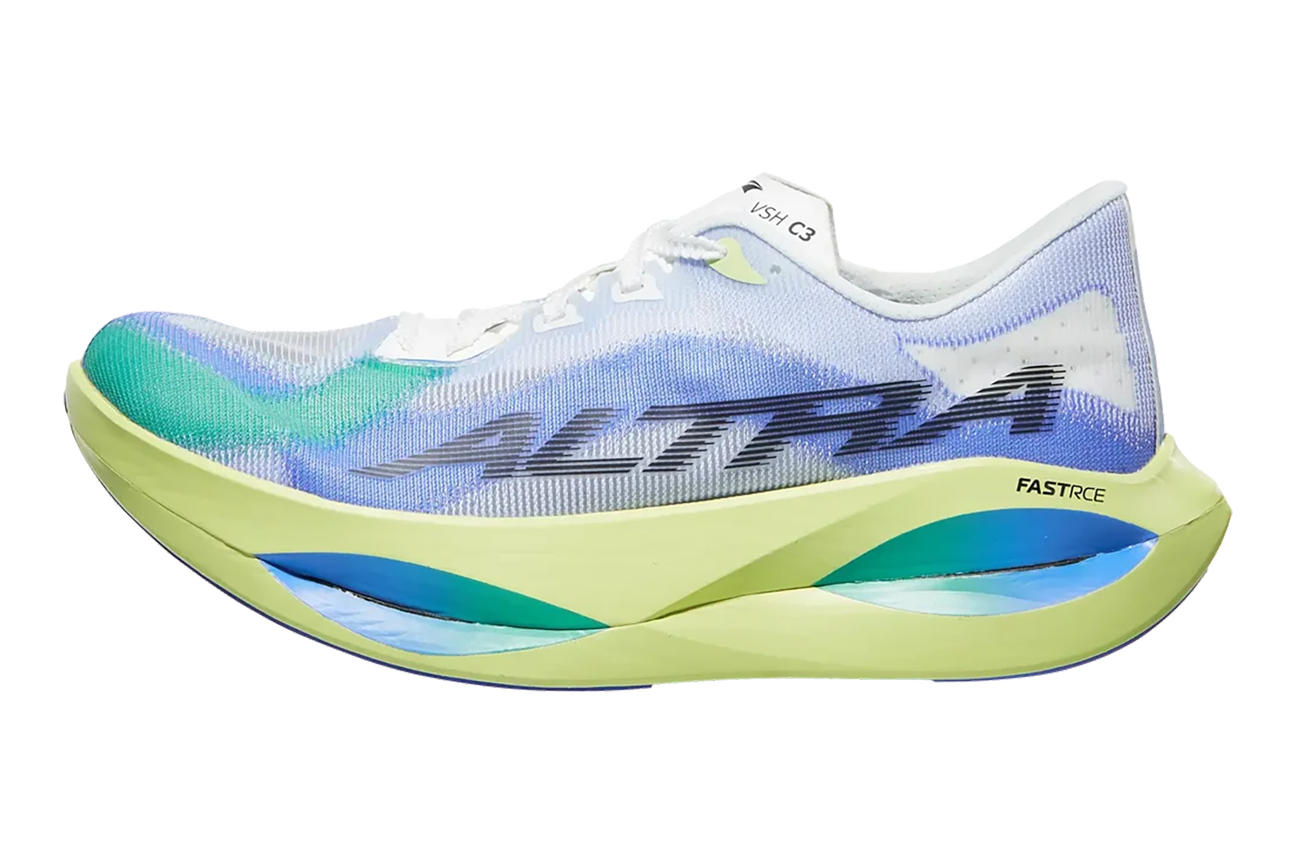
With the Vanish Carbon 3, Altra offers a fresh twist on carbon-plated racing shoes.
Carbon-plated racing shoes have become remarkably predictable. The details vary from brand to brand, but the basic recipe is familiar: a thick bed of hyper-responsive superfoam, a rigid plate and a highly structured forefoot designed to turn each stride into a catapult for forward momentum. The formula works, but it has also created a certain sameness across the starting line.
With the new Vanish Carbon 3, Altra is pursuing the same basic goal—more speed—while refusing to completely abandon the design philosophy that has defined its shoes for years. The shoe still gives the toes room to spread, offering a noticeably more natural fit than the increasingly narrow, prescriptive shape common among high-end racers.
The more consequential change is beneath the foot. Altra built its reputation around zero-drop shoes, keeping the heel and forefoot at the same height even as the rest of the running industry moved toward increasingly aggressive geometries. That commitment gave the brand a distinct identity, but it also created a barrier for some runners, particularly those who don’t respond well to a completely flat platform. Altra began loosening that constraint with its Experience collection, where a 4mm drop offered a middle ground: the company’s roomy, foot-shaped fit without requiring runners to adapt to zero drop.
Now that idea has reached Altra’s top racing shoe. The Vanish Carbon 3 uses a 4mm drop for the first time, pairing a modest heel-to-toe differential with a carbon plate and a race-focused platform. It represents a meaningful shift for a company that has spent years treating zero drop almost as a calling card.
The change doesn’t mean Altra is abandoning what makes its shoes different. If anything, the Vanish Carbon 3 suggests the company is trying to broaden that philosophy rather than replace it. The challenge is to make a modern carbon racer that can compete with the fastest shoes on the road while retaining enough of Altra’s character to feel distinctly Altra. The 4mm drop may be the key to getting more runners to give that idea a chance.
I’ve only been able to run in this shoe twice since receiving a pair last week, so these are some of my initial impressions and less of a full-fledged review. But if you’re a new marathoner, new to carbon-plated shoes or a runner who is aiming for a 3:30-4:30 finish, this might be a good one to try out for a year. It will go faster, both in workouts and races, but what sets this shoe off is the additional comfort, heel width, stability and smooth-rolling stride.
Price: $240 (women / men)
Approximate Weights: 6.7 oz (women’s size 8), 7.8 oz (men’s size 9)
Heel-Toe Offset: 4mm; 42mm (heel), 38mm (forefoot)
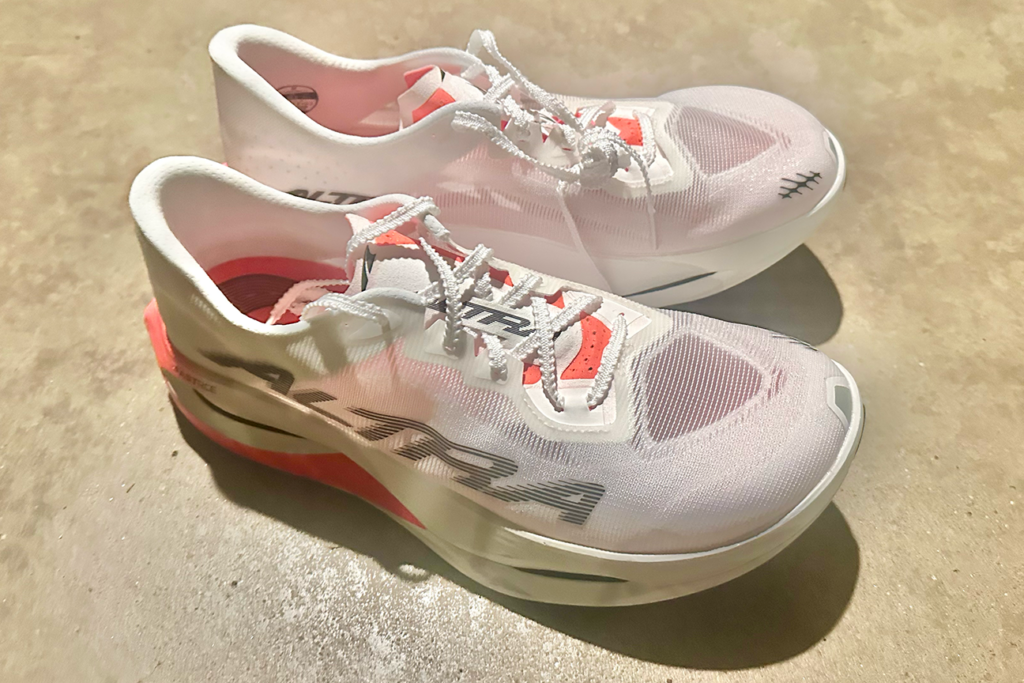
What’s New: The biggest change in the Vanish Carbon 3 is the carbon plate. Altra developed a patent-pending split-toe design that leaves the big toe more freedom to move independently during toe-off, rather than connecting the entire forefoot with one rigid piece of carbon. I can still feel the stiffness and snap of the plate, but the forefoot doesn’t feel as though it’s been locked into a single position. The plate is sandwiched between two layers of supercritical PEBA foam, Altra’s most responsive cushioning to date.
Altra says its lab testing showed a 2.6 percent improvement in running economy compared with the Vanish Carbon 2. The shoe is also World Athletics approved for road racing, so there’s no question about using it in sanctioned competition.
Fit/Feel/Ride: The Vanish Carbon 3 runs true to size, with a heel and midfoot built to feel locked-in rather than loose—Altra narrowed the last through that zone specifically so the shoe could deliver race-day security without pinching the forefoot. Early impressions of the toe box itself are split: some testers found real room to let the toes spread, closer to what you’d expect from Altra’s usual shape, while others felt it tighter and lower-volume than the brand’s typical fit, with less space up front than past models.
The heel counter strikes a similar balance to the midfoo—structured enough to hold the foot in place, but with enough give that it doesn’t feel stiff or overbuilt. Whether the forefoot reads as generous or snug seems to depend heavily on individual foot shape, which makes this one worth trying on rather than assuming based on Altra’s wide-toe-box reputation alone.
At easier paces, I find the Vanish Carbon 3 fairly calm and comfortable, but once I start pushing toward half-marathon effort, though, the personality changes. The ride becomes more energetic, with a smooth transition from landing to toe-off and a noticeable pop through the front of the shoe.
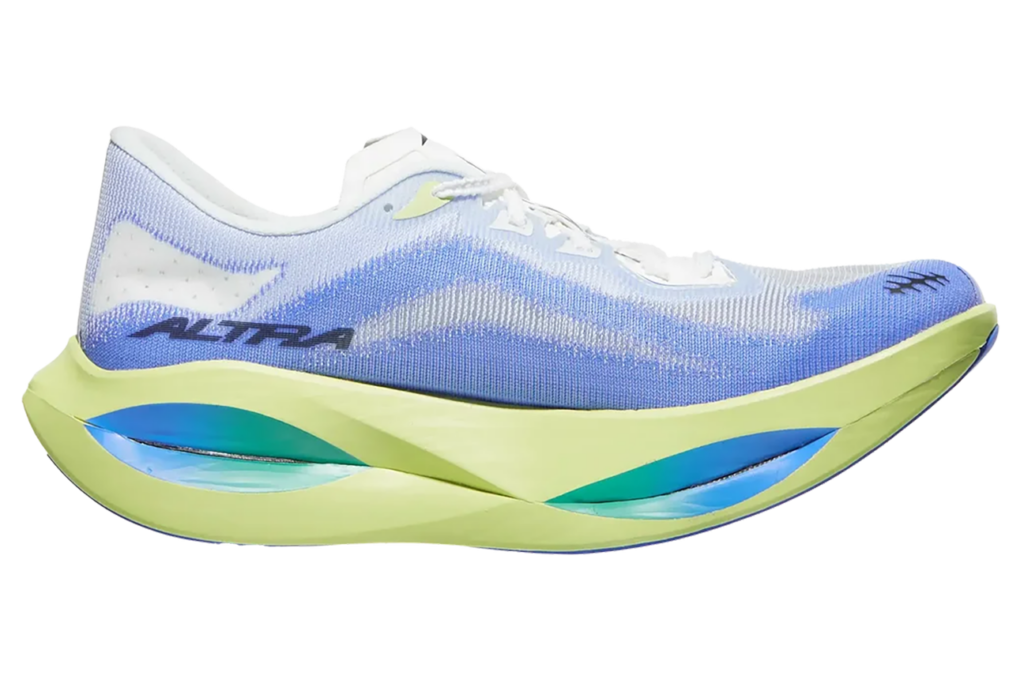
The semi-indepdent big toe is particularly noticeable. Instead of feeling pinned down with the rest of the forefoot, it can flex slightly and contribute to the final part of the stride. The roomy toe box reinforces that sensation, giving my toes enough space to spread rather than forcing them into a more typical narrow racing shoe shape. At the same time, the redesigned eyestay does a good job of holding the midfoot and heel securely without extending that pressure into the forefoot.
That combination gives the Vanish Carbon 3 an unusual personality for a super shoe. It has the speed and responsiveness I want when I’m running hard, but it doesn’t require the same degree of confinement I typically associate with carbon-plated racers. I could see myself using it for a long tempo workout or marathon-paced run just as easily as saving it for race day.
Why It’s Great: The split plate isn’t simply an unusual feature for the sake of being different. It addresses a legitimate compromise in carbon-plated shoes: the same stiffness that can make a racer feel fast can also restrict how the forefoot and toes move. Here, the split at the big toe creates a little more freedom without giving up the propulsion of a carbon plate. For me, that’s what makes the Vanish Carbon 3 interesting—not that it has carbon, but that Altra is trying to rethink how carbon interacts with the foot.
Why You’ll Love It: If you’ve been curious about super shoes but haven’t liked the narrow, highly structured feel of conventional racers, the Vanish Carbon 3 offers a compelling alternative. The 4mm drop also makes it more approachable than Altra’s previous zero-drop racing shoes, especially if you weren’t a runner who had been running in zero-drop shoes already. (And if you have run in zero-drop shoes, the actual, in-motion drop of this shoe with a heel-striking gait is probably betwen zero and 4mm.) I think its sweet spot extends beyond race day, too: marathon racing is an obvious target, but the combination of cushioning, room and responsiveness makes it appealing for long runs and faster training sessions.
Why You Might Not Like It: The split plate won’t appeal to everyone. If you prefer the unmistakably rigid, locked-in sensation of a traditional carbon racer, the extra freedom at the big toe may make the shoe feel less decisive when you’re running at all-out effort. I’m also keeping an eye on outsole durability.
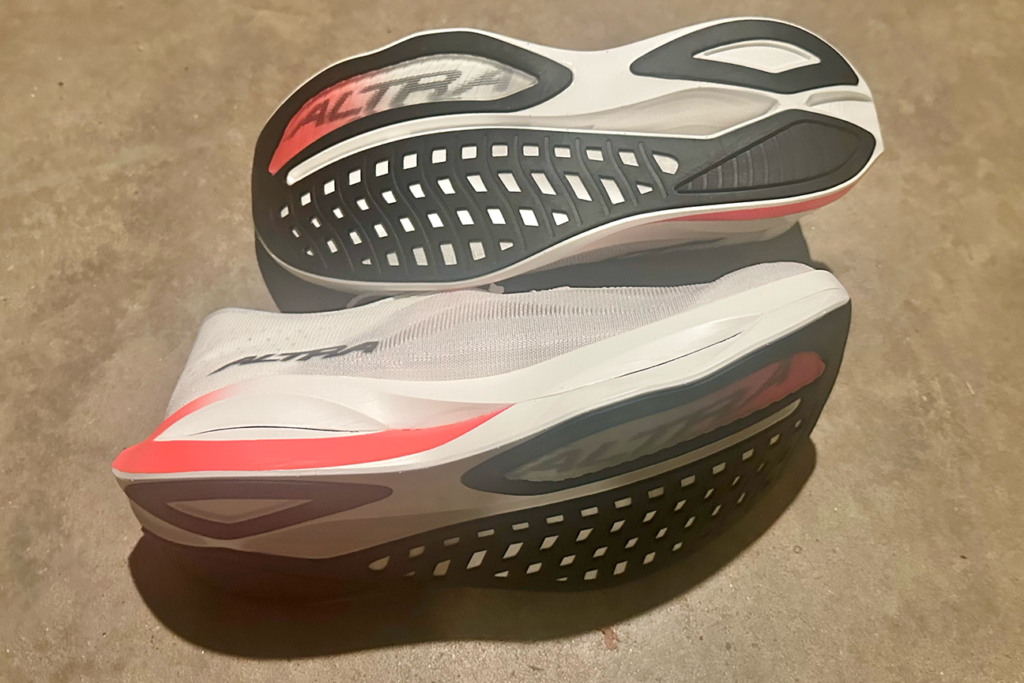
Pros: A genuinely different approach to carbon-plated racing, combining a propulsive ride with more natural big-toe movement, a spacious forefoot and a natural rolling stride pattern. The split plate lets the big toe flex independently instead of locking flat, so you get real propulsion without sacrificing natural gait mechanics—something most carbo-plated racers force you to give up.
Cons: The added forefoot flexibility won’t suit runners who want maximum rigidity, while questions about outsole durability could limit its appeal as a high-mileage training shoe. Runners chasing a stiffer, more locked-down race feel may miss that top-end rigidity, and early reports of faster outsole wear are worth watching before leaning on this shoe for regular training miles.
Contributing editor Brian Metzler is the Content Director for UltraSignup.com, who has raced every distance from 5K to 100 miles. He has wear-tested more than 2,000 running shoes and is the author of “Kicksology: The Hype, Science, Culture and Cool of Running Shoes” (2019) and “Trail Running Illustrated” (2021). He has raced just about every distance from 100 meters to 100 miles, but he’s most eager to share stories about his experiences pack burro racing in Colorado and riding trains to run trails in Chamonix, France.
RELATED: Tracksmith Eliot Ryder Serves Up Smooth, Stable Springiness
RELATED: The Saucony Paramount Max is a Soft, Bouncy, Stable and Fun Daily Trainer
RELATED: Nike Pegasus 42 Continues its Workhorse Legacy with a More Responsive Ride
RELATED: ASICS Novablast 6 Blends Soft Cushion and Increased Energetic Pop
RELATED: The Hoka Clifton 11 Serves Up a Smoother, More Refined Ride
RELATED: The 5 Best Shoes for Fall Marathon Training This Summer
RELATED: The Adidas Hyperboost Edge Pairs High-Stack Cushion with A Lively Vibe