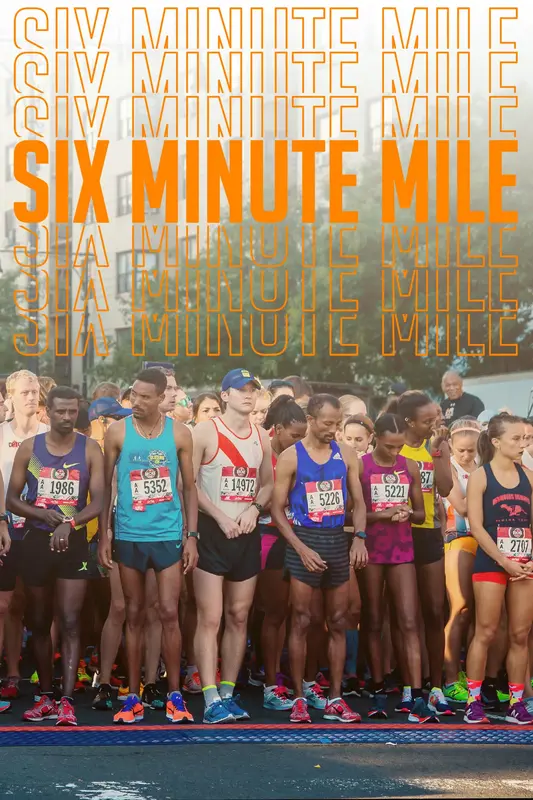
The Refined Saucony Endorphin Speed 6 Blends a Bouncy Vibe with Comfort and Versatility
The Saucony Endorphin Speed 6 is a semi-firm, bouncy and versatile daily training shoe.

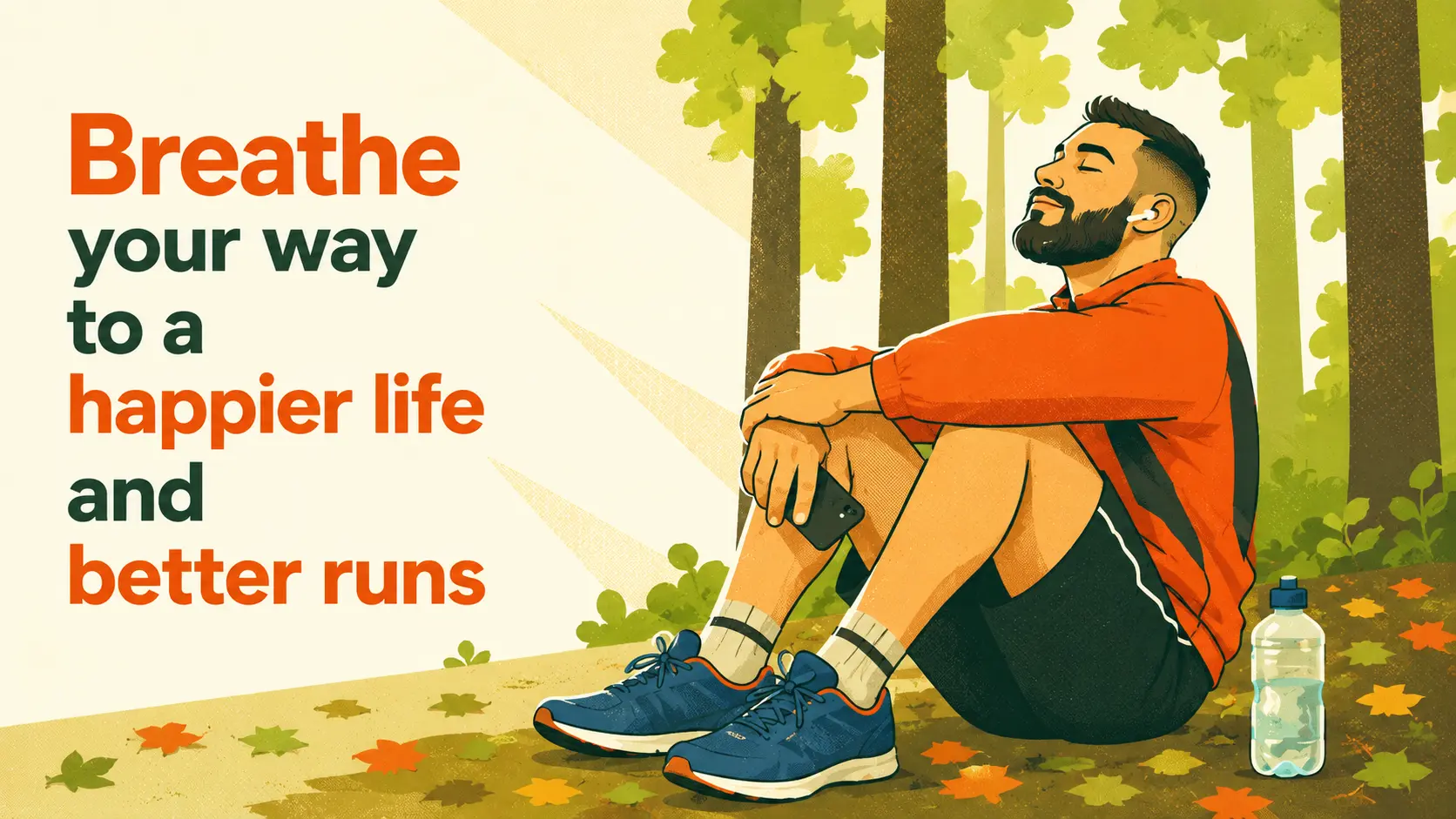
If happiness were a competition, Buddhist monk Yongey Mingyur Rinpoche might take the top step of the podium. Of course, letting go of the need to win such titles is probably part of how he stays content. But that’s beside the point, according to “Nine life lessons from the happiest man in the world: from embracing tiny changes to not overthinking meditation.” Brain scans show unusually high activity in his left prefrontal cortex – an area associated with happiness, enthusiasm, and joy. He offers a few practical habits for anyone to cultivate this mindset. First, put away the second screen when you’re watching TV. Constantly adding stimulation is a sign you’re filling a never-ending vacuum with distractions, but allowing yourself quiet time to focus may ultimately reduce boredom more effectively. He also suggests mixing things up on days you’re just going through the motions. For example, take a new route home or cook with an unfamiliar ingredient. Yongey also recommends meditation, and one of his simplest tools is focusing on breathing sensations. In fact, attending to your breath may improve happiness and running performance at the same time. In a recent Quick Interval, we featured: “Breathwork for Athletes: Performance, Recovery, and Breathing Exercises.” This story from Training Peaks explains that controlled breathing may improve CO2 tolerance, aerobic efficiency, perceived effort, and recovery. A simple place to start is nasal breathing during easy runs, which can help you practice control and notice when effort begins to creep up. During harder running, cadence breathing offers more structure: inhale for two steps and exhale for three on flat ground, with a 1:2 pattern suggested for hills. After training, five minutes of slow, comfortable nasal breathing may help shift your nervous system toward recovery.
#InnerPace