The Refined Saucony Endorphin Speed 6 Blends a Bouncy Vibe with Comfort and Versatility
The Saucony Endorphin Speed 6 is a semi-firm, bouncy and versatile daily training shoe.

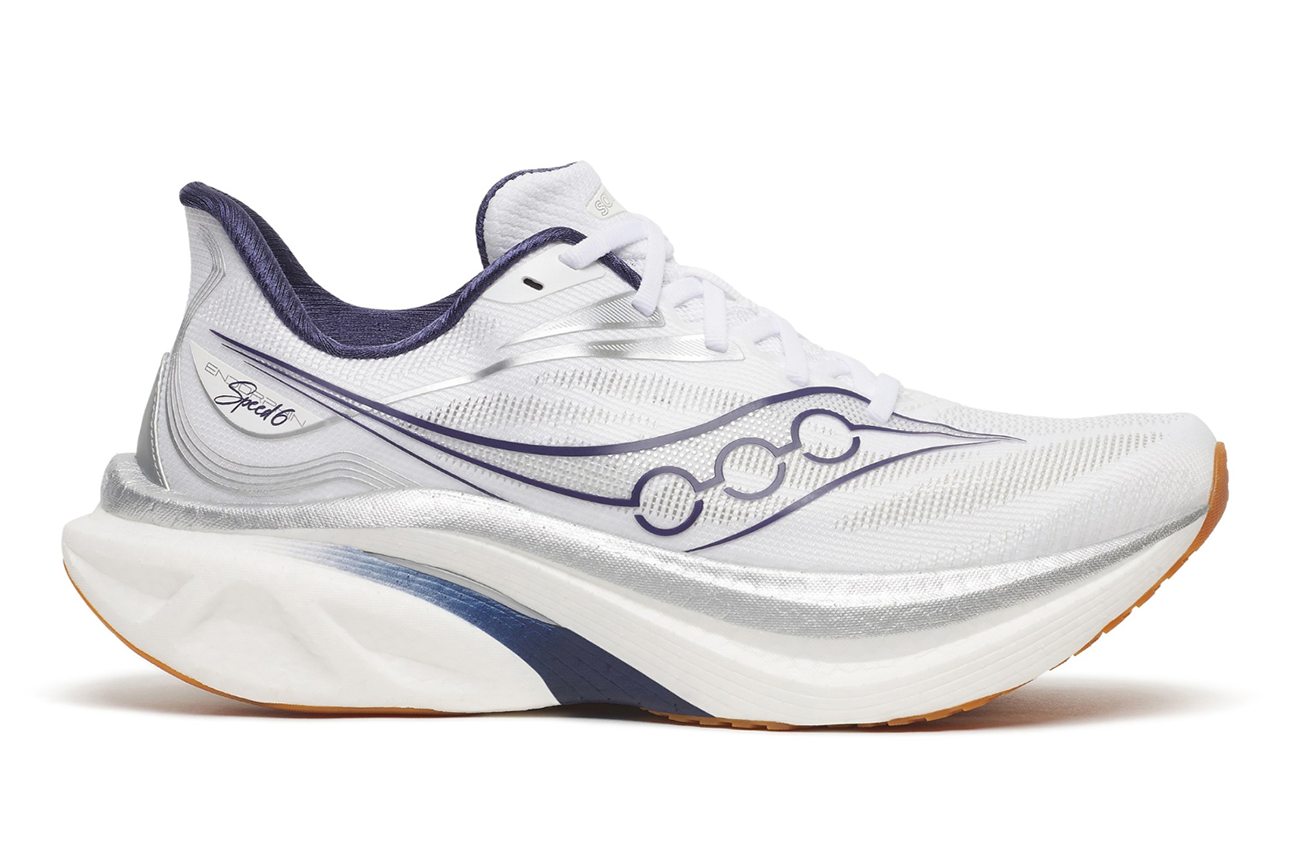
The Saucony Endorphin Speed 6 is a semi-firm, bouncy and versatile daily training shoe.
Have you ever had a running shoe you really love, only to find out that it gets updated the next season and it winds up feeling like an entirely different shoe?
That’s been my experience with the Saucony Endorphin Speed since its inception.
When it launched in 2000 with a bouncy Peba midsole and nylon plate, it was the first of what would become an exciting new category of energetic super trainers. Its second edition the following year became bouncier and more fun to run in, but also slightly more unstable. That led Saucony to democratize the third edition as an everyday trainer, toning it down and making it more accessible to a wider range of runners.
The brand tried to find a better balance with the fourth edition, but it missed the mark with a shoe that was too narrow in the forefoot, too thick in the heel and a bit of a clunkier ride. Last year’s fifth edition was slightly improved, returning to its smooth and speedy roots with a better fit and an updated plate for more control.
So what does the Saucony Endorphin Speed 6 bring? It has a new midsole foam and stack height metrics, resulting in a lighter, snappier shoe that, I think, finally captures everything the shoe was meant to be in an optimally refined edition.
The Endorphin Speed 5 was a good shoe but it sometimes felt a bit flat. The Endorphin Speed 6 fixes that with a lively new PWRRUN PBX midsole, 2mm of extra stack, and a reshaped nylon plate that adds energy and stability, so every stride has a little more pop.
Ultimately, the Saucony Endorphin Speed 6 is built to run fast with an appropriate amount of energetic pop, measured stability and long-haul comfort. It’s the kind of shoe that can turn an ordinary Tuesday easy run into a tempo effort, with a springy, lively ride that makes your legs want to go faster than you initially intended to run. It’s fast enough for low-key racing efforts, but it’s still cushy and cozy enough to be a versatile everyday trainer that can handle long runs, recovery runs.
After 40 or so miles of running in this shoe, my takeaway is simple: this shoe makes me want to run faster and more comfortably.
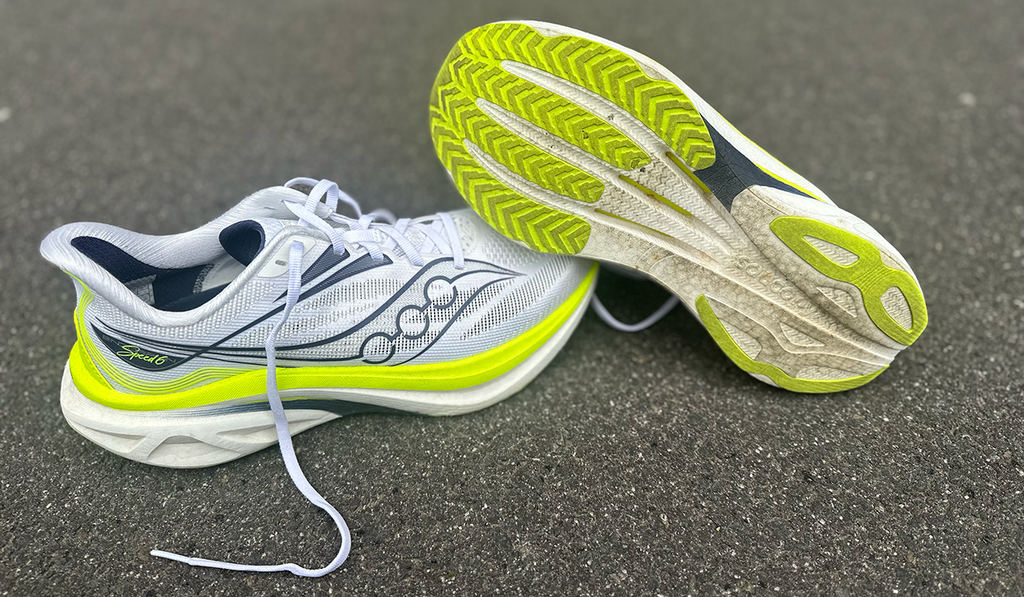
Price: $180 (women’s / men’s)
Weights: 7.1 oz. (women’s 8); 8.2 oz. (men’s 9)
Heel-Toe Offset: 8mm; 38mm (heel), 30mm (forefoot)
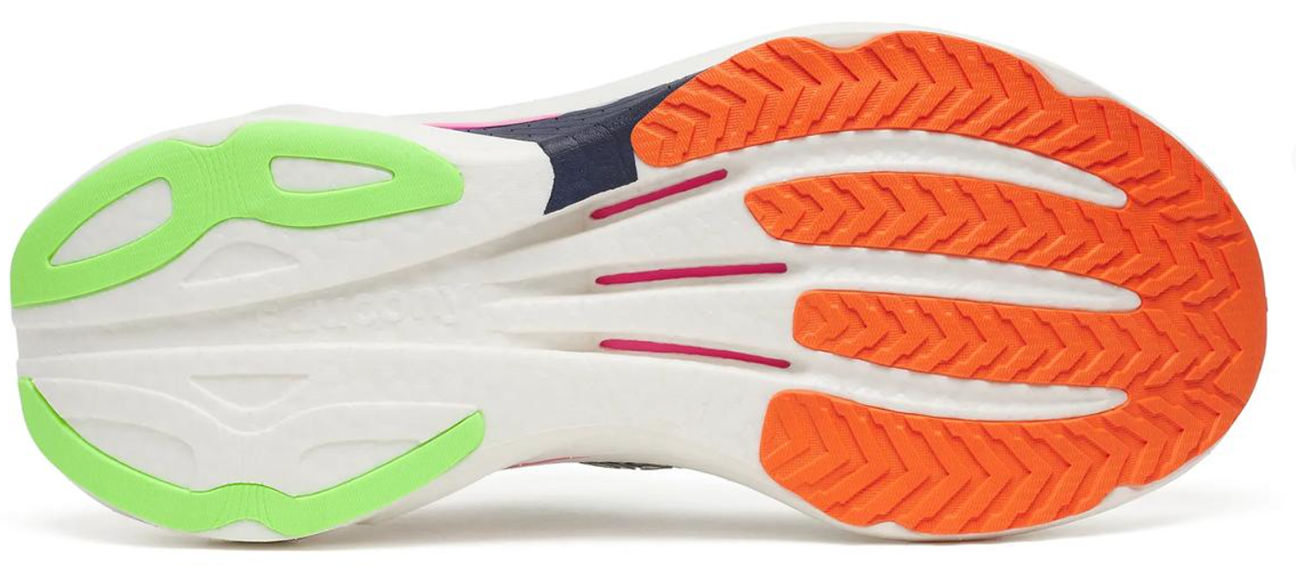
What’s New: Saucony replaced the Speed 5’s PWRRUN PB with PWRRUN PBX, a new beaded PEBA-based foam that is lighter, softer, and bouncier than what came before. The shoe also gets an extra 2mm of foam underfoot, taking the stack to 38mm in the heel and 30mm in the forefoot, and the nylon plate has been redesigned with a new shape that ditches the old winged look for a smoother, more flexible ride through toe-off. Saucony’s propulsion-inducing SPEEDROLL geometry still encourages forward momentum, and XT-900 rubber at the forefoot provides grip for fast efforts.
Fit/Feel/Ride: The Saucony Endorphin Speed 6 fits true to size with a medium interior volume and ample but not excessive room in the forefoot for toes to wiggle and splay. (Some runners—including me—have felt it feels close to being too short, but not so short that it’s worth going up a half size.) The step-in feel is comfortable and secure, but right away you understand this shoe has a springy and semi-firm sensation instead of the softer and slightly mushier feeling that it did last year.
What stands out is the way the components come together: a softly padded, gusseted tongue, a lacing system that cinches the foot down securely, a padded heel collar, and a flared, Achilles-friendly heel that adds comfort. The upper remains largely unchanged from the Speed 5, retaining a lightweight, breathable engineered mesh construction. The combination of reduced weight and more responsive foam gives the shoe a quick, energetic ride that encourages faster running. It feels equally suited to tempo efforts, quick-cadence interval sessions, and sustained uptempo running. But it also has enough cushioning and versatility to handle longer and slower training days.
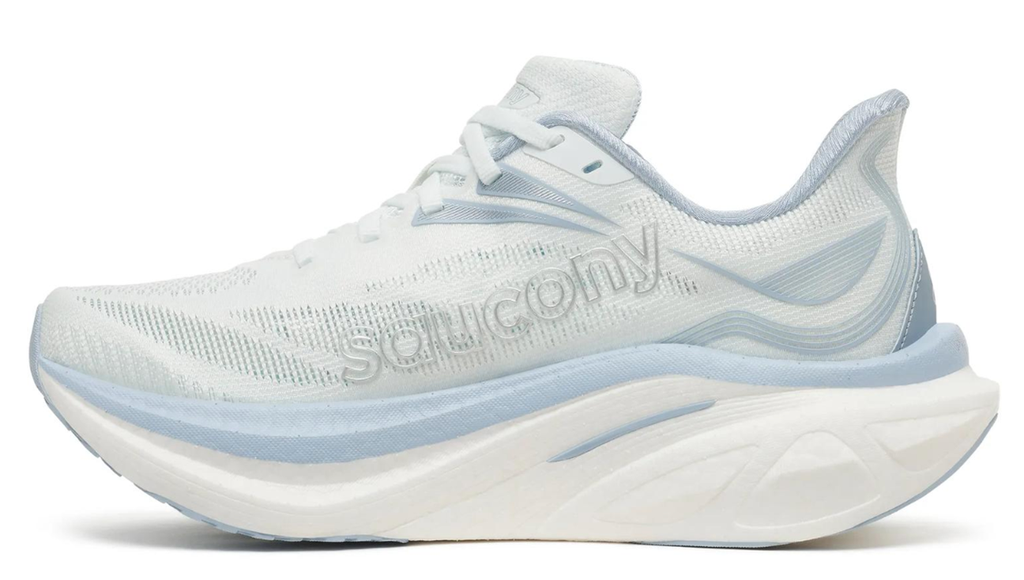
Why It’s Great: The Endorphin Speed 6 is soft, springy, and lively in a way the Speed 5 wasn’t. The PBX foam gives it real energy, enough that it feels like a foam you’d expect in a racing shoe, even though this is a trainer. Compared with the Speed 5, which lacked lively pop, it’s a clear step forward. It’s a touch firmer than v5, but the firmness comes with more response, so you get a quick, energetic feel without a mushy landing. I would even suggest it’s a good shoe for some runners to consider wearing to race a 5K, 10K or half marathon. I ran a 4-mile race in it in mid-September and, as expected, it didn’t feel all-out fast like a carbon-plated super shoe, but the shoe’s ideal blend of responsiveness and comfort helped me get the job done efficiently and effectively.
Why You’ll Love It: You’ll probably love it for its versatility like I do. It’s ideal for fast-day workouts and tempo-paced runs, but it handles long runs, track sessions, recovery days, and easy miles just as well. It’s a daily trainer, not a racing shoe, but it has a spirited personality that makes it a joy to run in. If you want one shoe that can do almost everything in your training week, this is it. I have enjoyed running longer runs in it (8-12 miles) but I have also laced it up for short, easy recovery runs.
Why You Might Not Like This Shoe: For some runners, the Endorphin Speed 6 might feel firmer and less forgiving than expected. That might take some getting used to if you’re a softness-seeker or it just might not be the shoe for you. Also, the outsole rubber coverage is focused on the forefoot, so heavy heel-strikers may see more wear and tear of the exposed foam in the back end of the shoe.
Pros: Overall, the Endorphin Speed 6 is a true upgrade from the Speed 5. It builds on the strengths of its predecessors while delivering a more energetic, performance-focused experience. The reshaped plate and midsole adds stability and propulsion, and it’s versatile enough for workouts, long runs, and easy days.
Cons: The primary trade-offs are a firmer ride than the previous model, potentially faster wear on the forefoot rubber for runners who land heavily on their heels, and a slightly higher price than the previous two editions.
Contributing editor Brian Metzler, the Content Director for UltraSignup.com, has raced every distance from 5K to 100 miles. He has wear-tested more than 2,000 running shoes and is the author of “Kicksology: The Hype, Science, Culture and Cool of Running Shoes” (2019) and “Trail Running Illustrated” (2021). He has raced just about every distance from 100 meters to 100 miles, but he’s most eager to share stories about his experiences pack burro racing in Colorado and riding trains to run trails in Chamonix, France.
RELATED: 6 Great Everyday Training Shoes on Sale Right Now
RELATED: The ASICS GEL-Slowcush is All About Running Slow and Feeling Good About It
RELATED: The Pros and Cons of 6 Great Carbon-Enhanced Super Shoes for Fall Marathon Season
RELATED: The Brooks Ghost Amp Is a Light, Lively and Versatile Daily Training Shoe
RELATED: The Diadora Corsa is a versatile everyday trainer with a springy vibe that’s worth a look
RELATED: Altra’s Speedy Vanish Carbon 3 Goes Mainstream with a Split Carbon Plate
RELATED: Tracksmith Eliot Ryder Serves Up Smooth, Stable Springiness
RELATED: The Saucony Paramount Max is a Soft, Bouncy, Stable and Fun Daily Trainer
RELATED: Nike Pegasus 42 Continues its Workhorse Legacy with a More Responsive Ride