The Refined Saucony Endorphin Speed 6 Blends a Bouncy Vibe with Comfort and Versatility
The Saucony Endorphin Speed 6 is a semi-firm, bouncy and versatile daily training shoe.


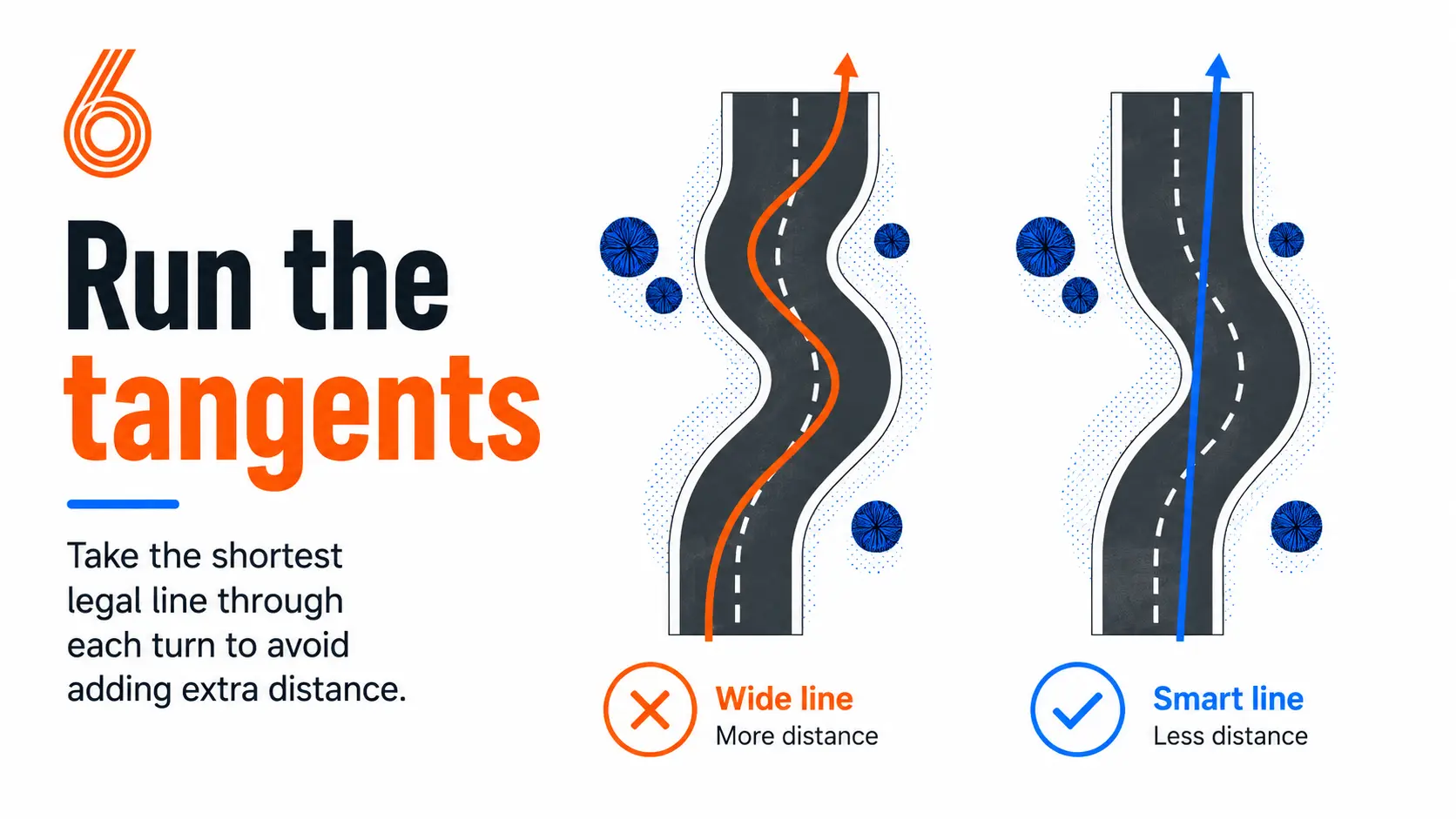
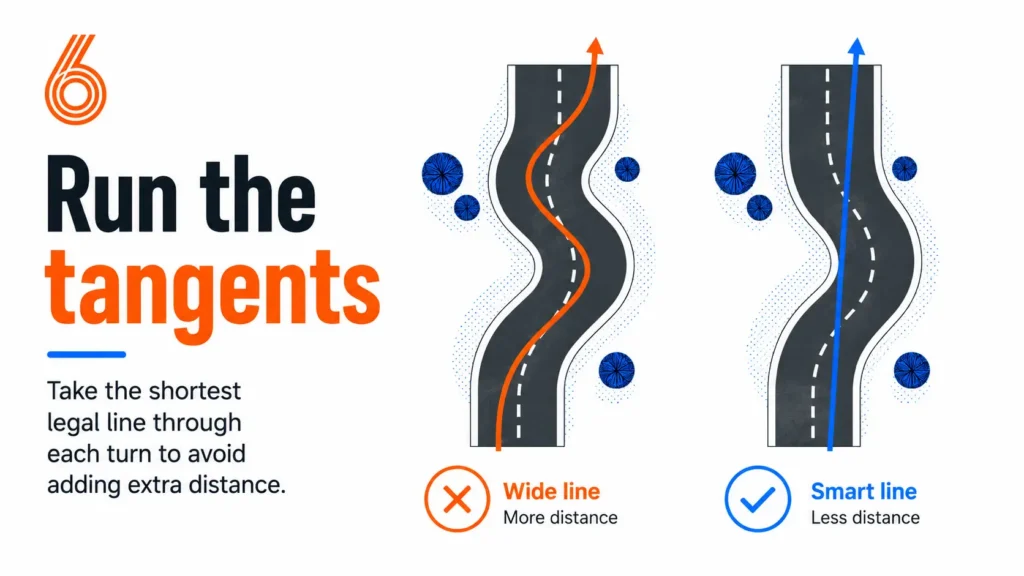
A marathon is 26.2 miles long, but a few inches here and a few carbs there can add up fast. “5 Micro-Training Tweaks for Your Fastest Marathon Yet” offers five ways to do that, starting with one of the easiest places to save time: running the tangents. Certified courses are measured along the shortest legal route, which means taking a wide arc around a bend adds unnecessary distance. Instead, aim for the shortest legal line from one turn to the next, as shown in this diagram.
Tangents cut down on distance, but you still need the fuel to power you through it. The guide recommends 50 to 60 grams of carbohydrates per hour, ideally spaced about 30 minutes apart. For race-day fueling, our recent post “Rice cakes could be your recipe for better race fueling” offered a tasty option. Sticky rice cakes are a favorite among endurance athletes because they’re high in carbs, low in fiber, portable, and easy to divide into small bites. Whatever you choose, practice your intake in training so your gut knows the plan before race day.
The last tip from Outside Run’s article is to utilize the long run. In “The Marathon Long Run,” Coach Greg McMillan recommends alternating easy, steady long runs with fast-finish long runs during the final 8 to 10 weeks of marathon training. The latter also doubles as a race dry-run, letting you practice your goal pace, gear, hydration, and fueling so marathon morning won’t surprise you. Lastly, one of the simplest ways to speed up your runs is adding carbon-fiber propulsion to your shoes. VKTRY Insoles let you do just that without paying full price for a new pair of super shoes, so check them out if you’re in need of speed.
#CourseAndEffect