Do you prefer to train together or alone?
They say if you want to go fast, go alone, and if you want to go far, go together. For runners, both solo and group training has its pros and…


The Nike Free Metcon 7 is a versatile and supportive hybrid training shoe.
We all love to geek out over running shoes, and for good reason. Whether we’re running 10 miles a week or 100 miles per week, we need shoes that fit well, feel great, and ride smoothly. But what about when we’re not running and in the gym or doing some other fitness pursuit?
Cross-training shoes have been around since the late 1980s (if you’re not familiar, check out this “Bo Knows” Nike TV spot), but multi-discipline fitness routines and competitions like Cross-Fit and Hyrox didn’t exist back then—unless, you were part of a team or training group that made up their own.
When I was a walk-on college athlete back then, one of our strength training days included a high-intensity weight circuit mixed with some uphill intervals on ramps that led to the upper deck of the football stadium. We typically wore basketball shoes or cross-training shoes for lifting, but they were understandably limited for the running segments. But we didn’t wear running shoes for that workout because they were (and still are) too laterally unstable for most gym exercises.
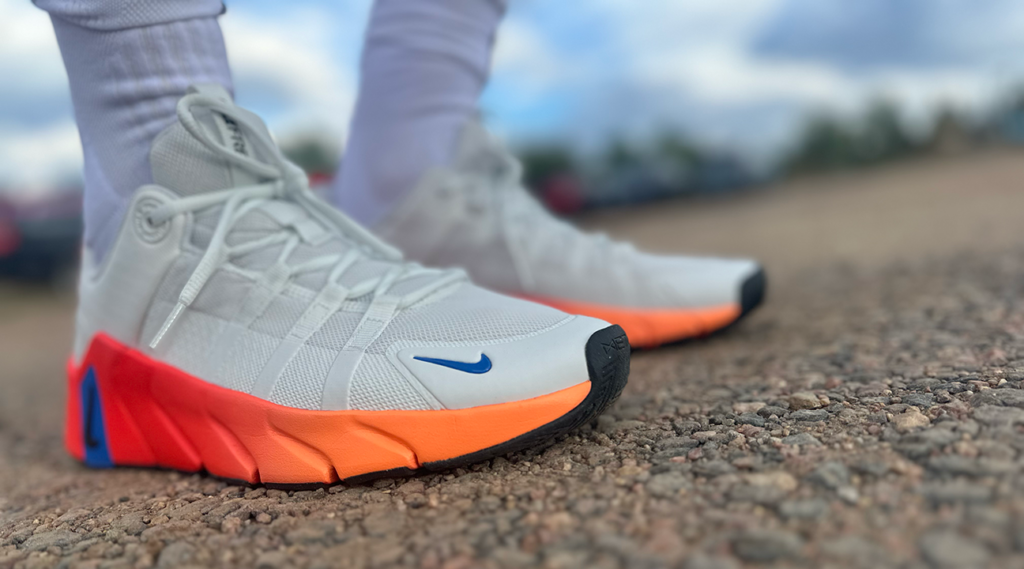
The Nike Free Metcon 7 is designed as a hybrid training shoe that blends flexibility for dynamic movements with enough stability for lifting and high-intensity workouts. It’s best suited for mixing strength training, short running intervals, and functional fitness sessions rather than pure distance running or heavy powerlifting. It seems perfect for a Hyrox competition, even though it lacks the propulsion and cushioning or most running shoes and running-focused hybrid models.
Given that I’m training for my first Hyrox event, it makes sense that I figure out what shoes I’m going to wear. After three weeks training in the Metcon 7, here are some of my key takeaways.
What’s New: I haven’t worn a Metcon model since the fourth edition, but the Nike Free Metcon 7 has been given several key updates aimed at improving support, fit, and overall versatility compared to the previous version. Nike redesigned the upper with a more structured mesh and added reinforced TPU overlays, giving the shoe a more secure, locked-in feel through the midfoot and forefoot.
The updated model also includes improved midfoot containment and a revised lacing setup intended to boost stability during lateral movement, agility drills, and strength-focused workouts. While the shoe still maintains the flexible Nike Free-inspired forefoot platform, the midsole has been tuned to feel slightly softer and more responsive, creating a smoother and more forgiving ride during short runs and dynamic training sessions.
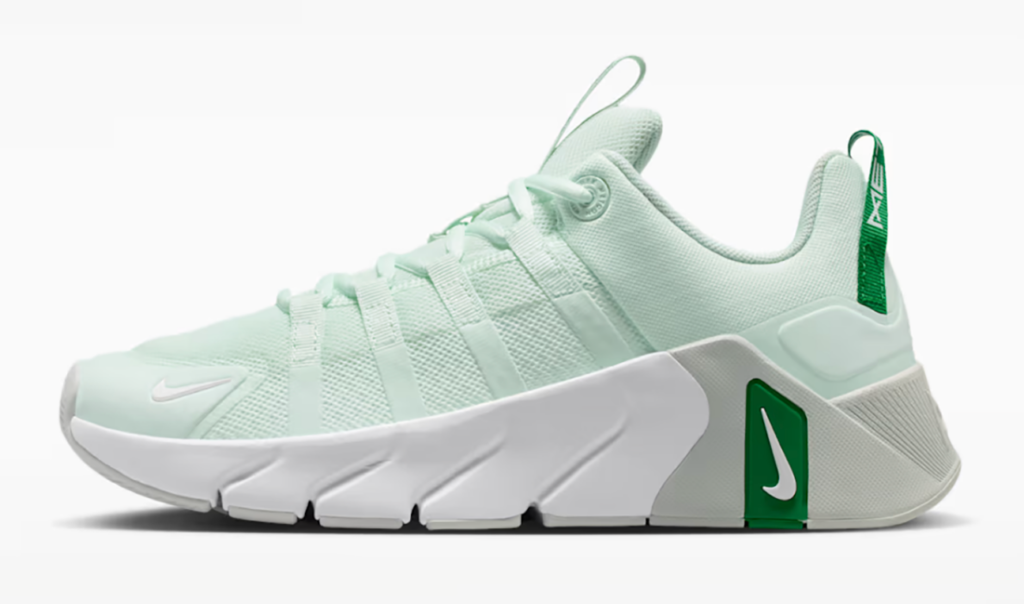
Price: $125
Approximate Weights: 9.2 oz. (women’s 8); 10.5 oz. (men’s 9)
Heel-Toe Offset: 6mm; 32mm (heel), 26mm (forefoot)
Fit/Feel/Ride: The Nike Free Metcon 7 generally fits true to size for runners and gym-goers with narrow to average-width feet, although it has a more tapered, slightly shorter fit than some previous Nike training models. (If you have wider feet, higher-volume feet, or plans to use the shoe for longer Hyrox-style efforts may be more comfortable going up a half size to accommodate foot swelling and extra movement.) The snug, foot-hugging fit with a supportive midfoot wrap that helps create a locked-in feel during lateral movements, lunges, and strength work.
Underfoot, the shoe blends a flexible forefoot with a stable heel platform, giving it a balance of mobility and grounding that works well for gym-based training. The ride feels responsive and agile rather than overly cushioned, with the Nike Free-inspired forefoot encouraging natural movement while the firmer and supportive rear section adds confidence during lifting. My longest run in it was about 4.5 miles, and I don’t see myself ever running longer in it. Overall, it delivers a versatile, energetic feel tailored more toward functional fitness and mixed training sessions than long-distance running.
Why It’s Great: The Nike Free Metcon 7 offers a great blend of flexibility, support, and all-around performance in one versatile trainer. Its flexible forefoot encourages natural motion and quick transitions, while the stable heel design adds confidence during lifting, squats, and high-intensity workouts. The shoe’s snug, secure fit helps keep the foot locked in during lateral cuts and multidirectional movement.
For athletes who combine gym training, conditioning intervals, and short runs in the same workout, it delivers a balanced and adaptable ride. While it excels in gym workouts, agility drills, and shorter conditioning sessions, the firmer ride can feel slightly harsh on longer running segments. Limited cushioning makes it less ideal for long-distance running compared to dedicated running shoes.
Why You’ll Love It: The Nike Free Metcon 7 performs especially well as a supplemental training shoe for gym sessions, mobility workouts, and cross-training days. I love its flexible, low-to-the-ground forefoot and natural ground feel because it promotes freedom of movement and foot strength development, while the stable and supportive heel platform provides reliable support for lifting, lunges, and other strength-focused exercises that can improve durability and reduce injury risk.
As someone who is mostly a runner accustomed to highly cushioned trainers, I found the shoe offers a different underfoot experience that encourages more natural movement and greater connection to the ground. The outsole is smooth but grippy, which makes it great for the gym and flat, smooth surfaces outside, but it can feel slippery on gravel roads or dirt paths. It’s particularly well-suited for a runner who mixes CrossFit/Hyrox training, plyometrics, circuit workouts, or general strength work into their routine because it transitions comfortably between short runs and functional fitness activities.
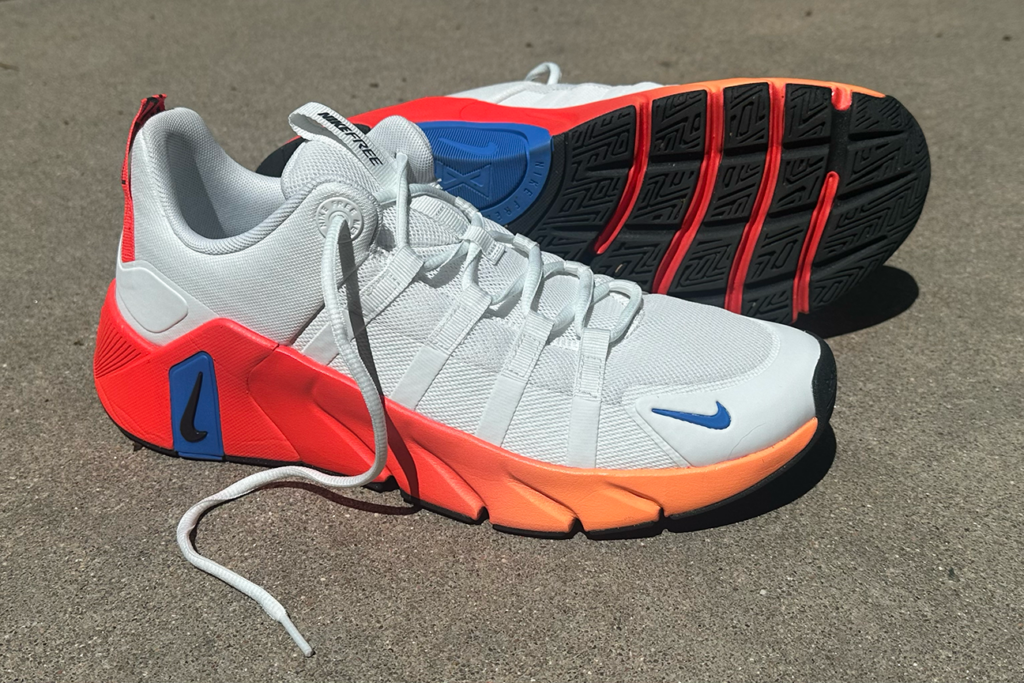
Why You Might Not Like It: One of the biggest downsides of the Nike Free Metcon 7 is its snug, narrow fit, particularly through the forefoot and toe box. The tapered shape might feel somewhat restrictive, especially for those with wider feet or during longer workouts when foot swelling becomes more noticeable.
Pros: The flexible forefoot and stable heel create a strong balance of agility, natural movement, and lifting support. The secure midfoot lockdown and updated lacing improve stability during lateral drills and high-intensity workouts. Versatile design transitions smoothly between gym sessions, Hyrox-style training, conditioning circuits, and short runs.
Cons: The narrow toe box and snug upper may feel restrictive, especially for wide-footed athletes or during longer workouts. The firmer heel and split midsole can feel awkward or clunky during longer running intervals or sled work.
About the Author
Contributing editor Brian Metzler is the Content Director for UltraSignup.com. He has wear-tested more than 2,000 running shoes and is the author of “Kicksology: The Hype, Science, Culture and Cool of Running Shoes” (2019) and “Trail Running Illustrated” (2021). He has raced just about every distance from 100 meters to 100 miles, but he’s most eager to share stories about his experiences pack burro racing in Colorado and riding trains to run trails in Chamonix, France.
RELATED: New Kid on the Block: The Kiprun Kipride is a Soft, Responsive, and Stable Everyday Trainer
RELATED: NOBULL’s Journey 2 is a Versatile Everyday Trainer that Pairs Performance and Casual Appeal
RELATED: Nike Pegasus 42 Continues its Workhorse Legacy with a More Responsive Ride
RELATED: 4 Great Running Shoes on Sale Right Now
RELATED: The New Balance Ellipse Blends Cushy Comfort and Modern Style
RELATED: 6 Great Super Shoes for Chasing PRs This Spring
RELATED: The Salomon Aero Glide 4 Is a Cushy and Versatile High-Mileage Workhorse
RELATED: The Saucony Endorphin Azura Serves Up a Fun, Stable Ride without a Plate